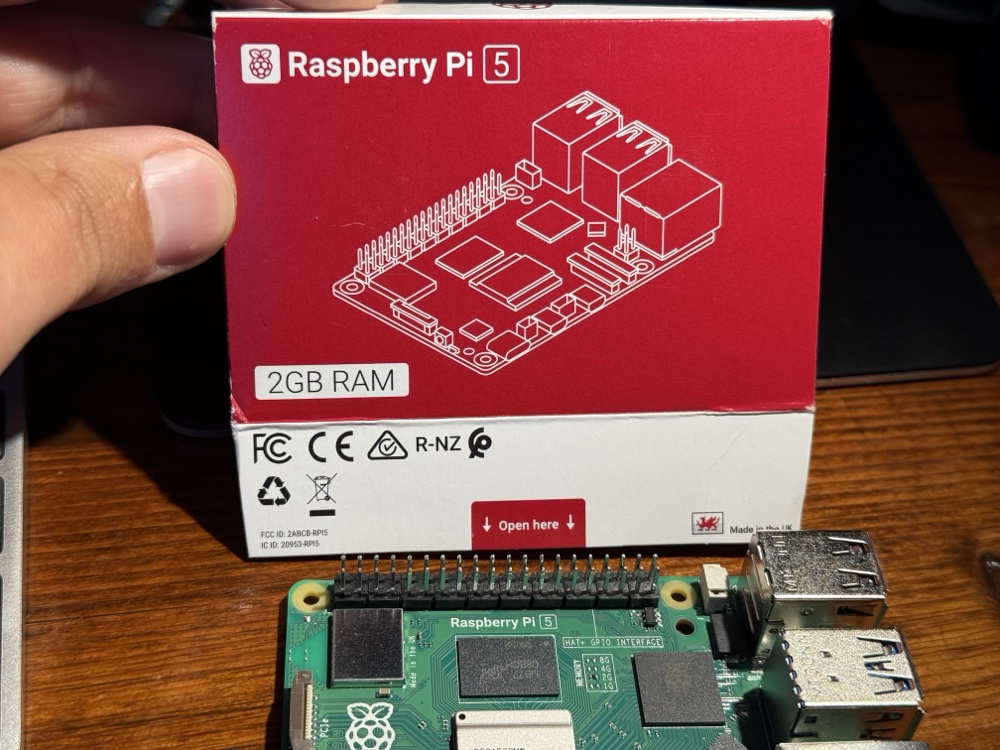
The Raspberry Pi might be the single most useful piece of technology for rural homeowners. For the price of a decent dinner out, you get a fully functional computer that sips electricity, runs silently, and can be turned into almost anything — a home automation hub, a security camera system, a weather station, or yes, even a holiday light show controller.
If you’ve never touched a Raspberry Pi before, don’t worry. These projects range from beginner-friendly to intermediate, and every one of them solves a real problem that rural homeowners actually face. Here are seven of the best.
1. Network-Wide Ad Blocker (Pi-hole)
This is the project I recommend to everyone who buys their first Pi. Pi-hole turns your Raspberry Pi into a network-wide ad and tracker blocker. Instead of installing ad blockers on every device in your house, Pi-hole filters everything at the DNS level — phones, tablets, laptops, smart TVs, and IoT devices are all covered automatically.
For rural homes with limited bandwidth, this is especially impactful. Ads and trackers can eat up 15-30% of your page data. On a slow or metered connection, that’s real bandwidth you’re getting back. We have a full Starlink setup guide that pairs perfectly with a Pi-hole installation.
Difficulty: Beginner | Time: 30 minutes | Cost: ~$50
2. Home Automation Hub (Home Assistant)
A Raspberry Pi 4 running Home Assistant can become the brain of your entire smart home. Control lights, monitor your solar system, track weather conditions, automate your irrigation — all from a single dashboard accessible from your phone.
For rural homesteads, Home Assistant shines because it runs locally. No cloud dependency means your automations keep running even when your internet goes down. Monitor your EG4 battery backup system, track your solar production, and set up alerts when the freezer temperature rises — all from a $35 computer.
Difficulty: Beginner-Intermediate | Time: 1-2 hours | Cost: ~$60
3. Weather Station
Rural life revolves around weather in ways city living doesn’t. A Raspberry Pi paired with a BME280 sensor (temperature, humidity, barometric pressure) gives you hyperlocal weather data from your actual property — not from a weather station 30 miles away in town.
Add a rain gauge sensor and a wind speed anemometer, and you’ve built a full weather station for under $100 that logs data 24/7. Feed the data into Home Assistant or a Grafana dashboard and you’ll have historical weather records for your exact location — invaluable for gardening, livestock management, and knowing when that cold front is actually going to hit your land.
Difficulty: Intermediate | Time: 2-3 hours | Cost: ~$80
4. Security Camera System (MotionEye / Frigate)
Professional security camera systems are expensive, and the subscription-based cloud cameras (Ring, Nest) require solid internet and monthly fees. A Raspberry Pi running MotionEye or Frigate turns affordable USB or IP cameras into a self-hosted security system with motion detection, recording, and alerts — no monthly subscriptions and no cloud dependency.
Place cameras at your driveway entrance, barn, shop, or garden gate. All footage stays on your property, stored on an external hard drive or NAS. Integrate with Home Assistant for smart notifications — like an alert on your phone when motion is detected at the barn after 10 PM.
Difficulty: Intermediate | Time: 2-4 hours | Cost: ~$100-150 (Pi + cameras)
5. Holiday Light Show Controller
This one’s pure fun, and it’s what first got many makers (including some of us) hooked on Raspberry Pi. Using a Pi, an 8-channel relay board, and a free software package called LightShowPi, you can synchronize outdoor lights to music — creating a choreographed light show that broadcasts over a low-power FM transmitter so neighbors can tune in from their cars.
What you need:
- Raspberry Pi 4 (or a Pi 3 works fine for this)
- 8-channel 5V relay module
- Jumper wires to connect the relay board to GPIO pins
- 8 outdoor-rated power outlets (one per relay channel)
- THHN wire and junction boxes for the wiring
- A small FM transmitter for the audio
- Your favorite holiday music playlist
Each relay controls a channel of lights, and the LightShowPi software analyzes the music and triggers relays in sync with the beat, bass, and melody. On a rural property with no light pollution and plenty of yard space, the effect is genuinely spectacular.
Difficulty: Intermediate (basic wiring skills needed) | Time: A weekend | Cost: ~$80-120
6. Network Speed Monitor
If you’re on Starlink, fixed wireless, or any rural ISP that promises “up to” speeds you’ve never seen, a dedicated speed monitor gives you hard data. A Raspberry Pi running Speedtest CLI on a cron schedule tests your connection every hour and logs the results.
After a few weeks, you’ll have a detailed picture of your actual performance — peak hours, slow periods, and outages all documented. This data is invaluable for ISP complaints, FCC filings, or simply deciding whether to switch providers.
Difficulty: Beginner | Time: 20 minutes | Cost: ~$50
7. Irrigation Controller
Commercial smart irrigation controllers cost $150-300+ and usually depend on cloud services. A Raspberry Pi with a relay board and a few solenoid valves can automate your garden or orchard irrigation for a fraction of the cost. Add a soil moisture sensor and a rain sensor, and the system only waters when it actually needs to — saving water and keeping your garden thriving even when you’re away from the property.
Connect it to Home Assistant and you can monitor soil moisture, adjust schedules from your phone, and get alerts if something goes wrong — all running locally with no internet required after initial setup.
Difficulty: Intermediate-Advanced | Time: A weekend | Cost: ~$100-150
Getting Started: What to Buy
For any of these projects, you’ll need the same basic kit:
- CanaKit Raspberry Pi 4 Starter Kit — Includes the Pi, case, power supply, microSD card, and heat sinks. Everything in one box to get started immediately.
- Extra microSD cards — Handy for having multiple project images you can swap between.
- Ethernet cable — For any network-connected project, wired is always more reliable than WiFi.
The Raspberry Pi 4 Model B (4GB) is the workhorse for most of these projects. It has enough power for Home Assistant, camera processing, and multi-tasking, while still sipping just a few watts of electricity — which matters when you’re running on solar and battery power.
Final Thoughts
The Raspberry Pi was designed for education, but it’s become one of the most practical tools in the rural tech toolkit. Each of these projects solves a real problem — better network security, home automation without cloud dependency, weather monitoring at your actual location, security without subscriptions, and irrigation that doesn’t waste water.
Start with one project. Pi-hole or Home Assistant are the best first steps since they immediately benefit your entire household. Once you see what a $35 computer can do, you’ll be ordering your second and third Pi before the month is out.